Ranunculus Bulbs - Porcelaine
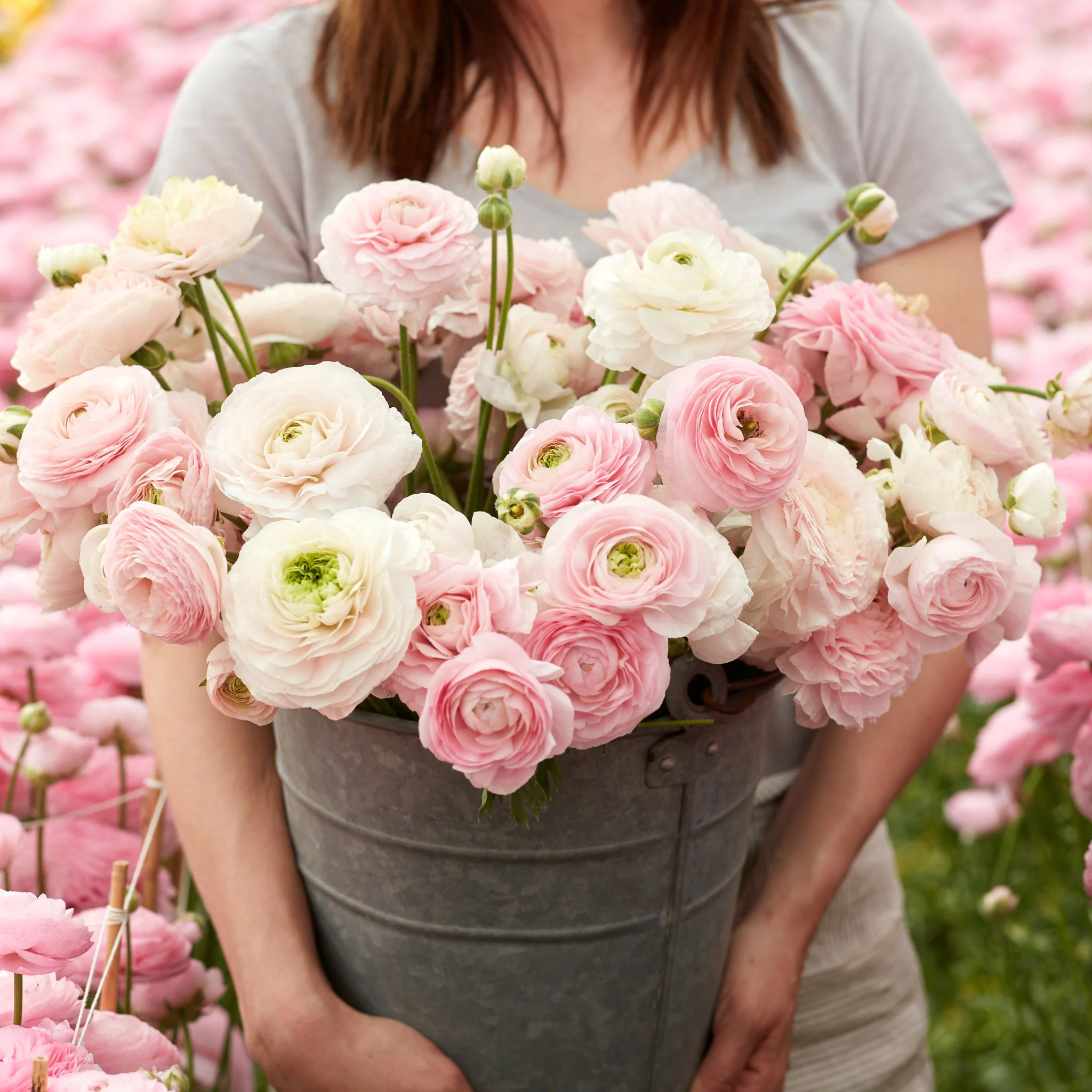
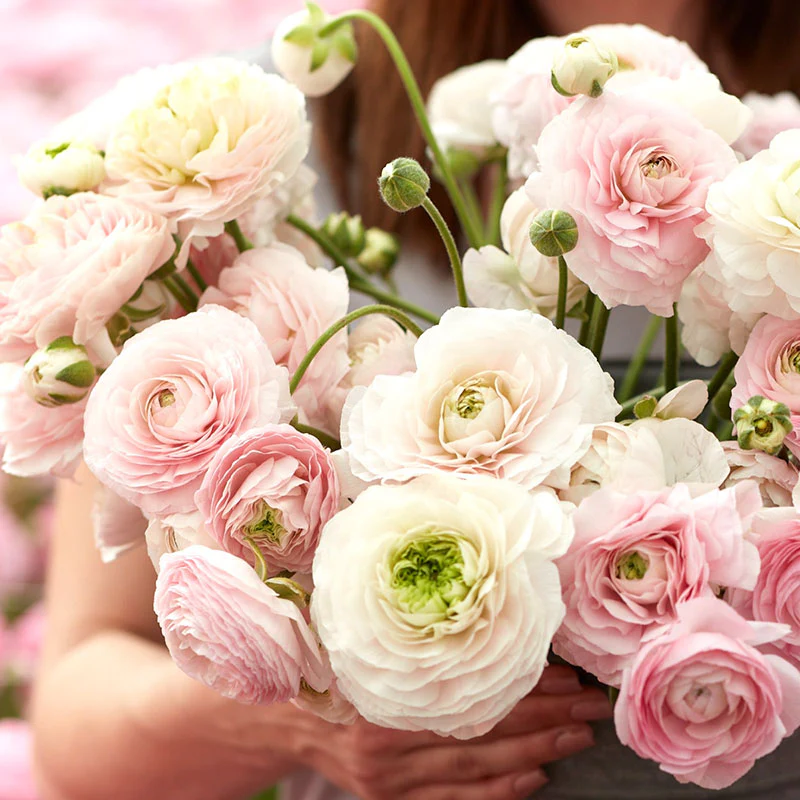
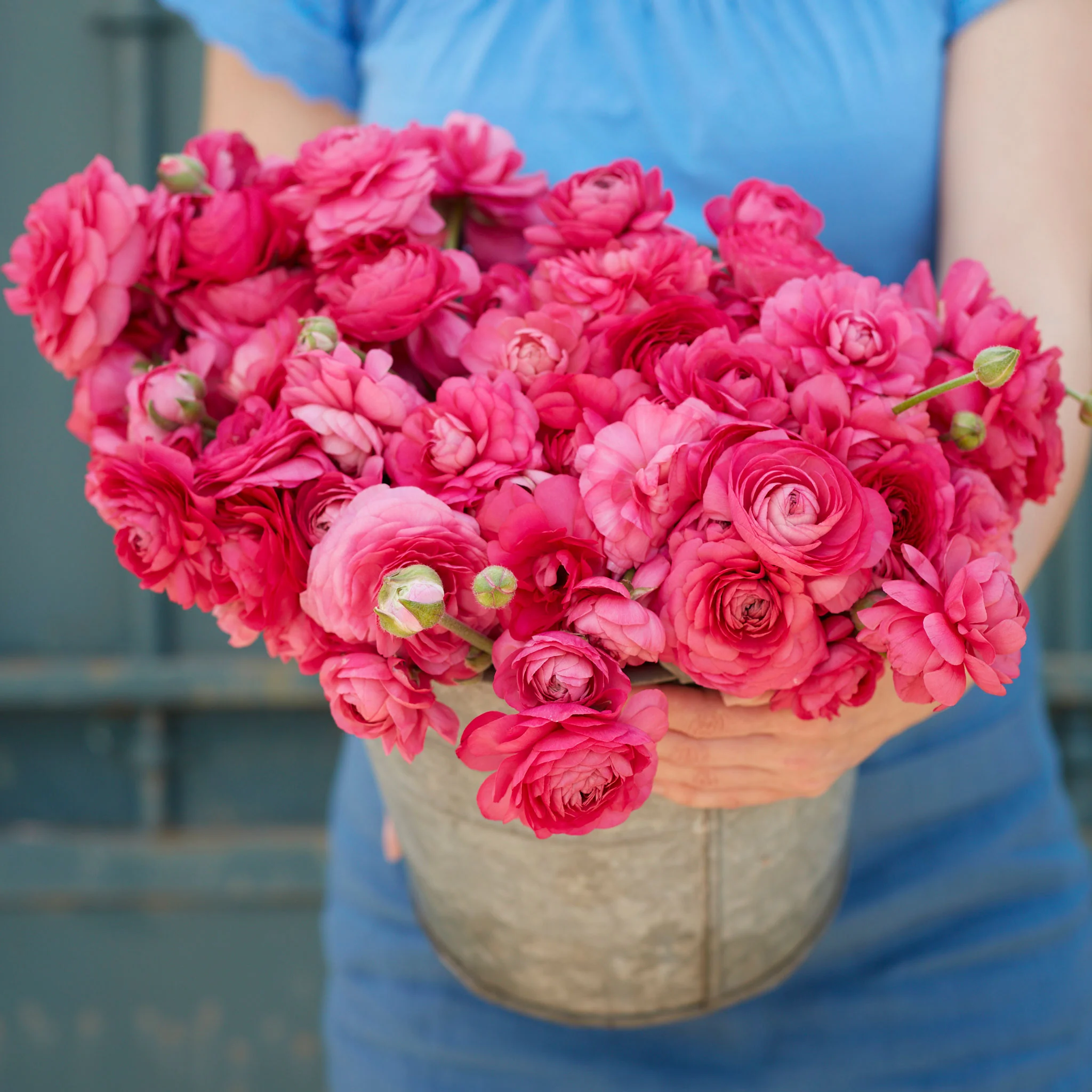
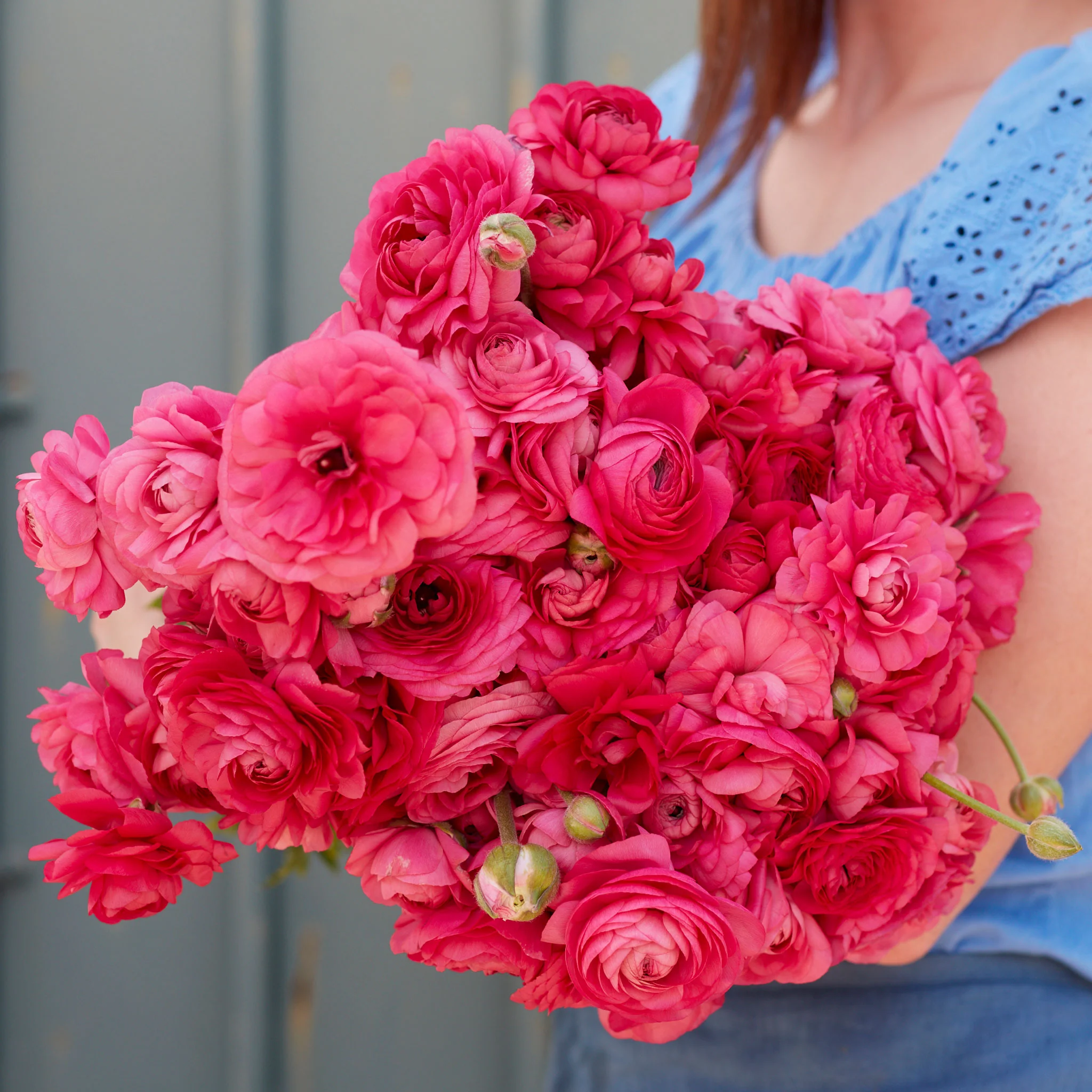
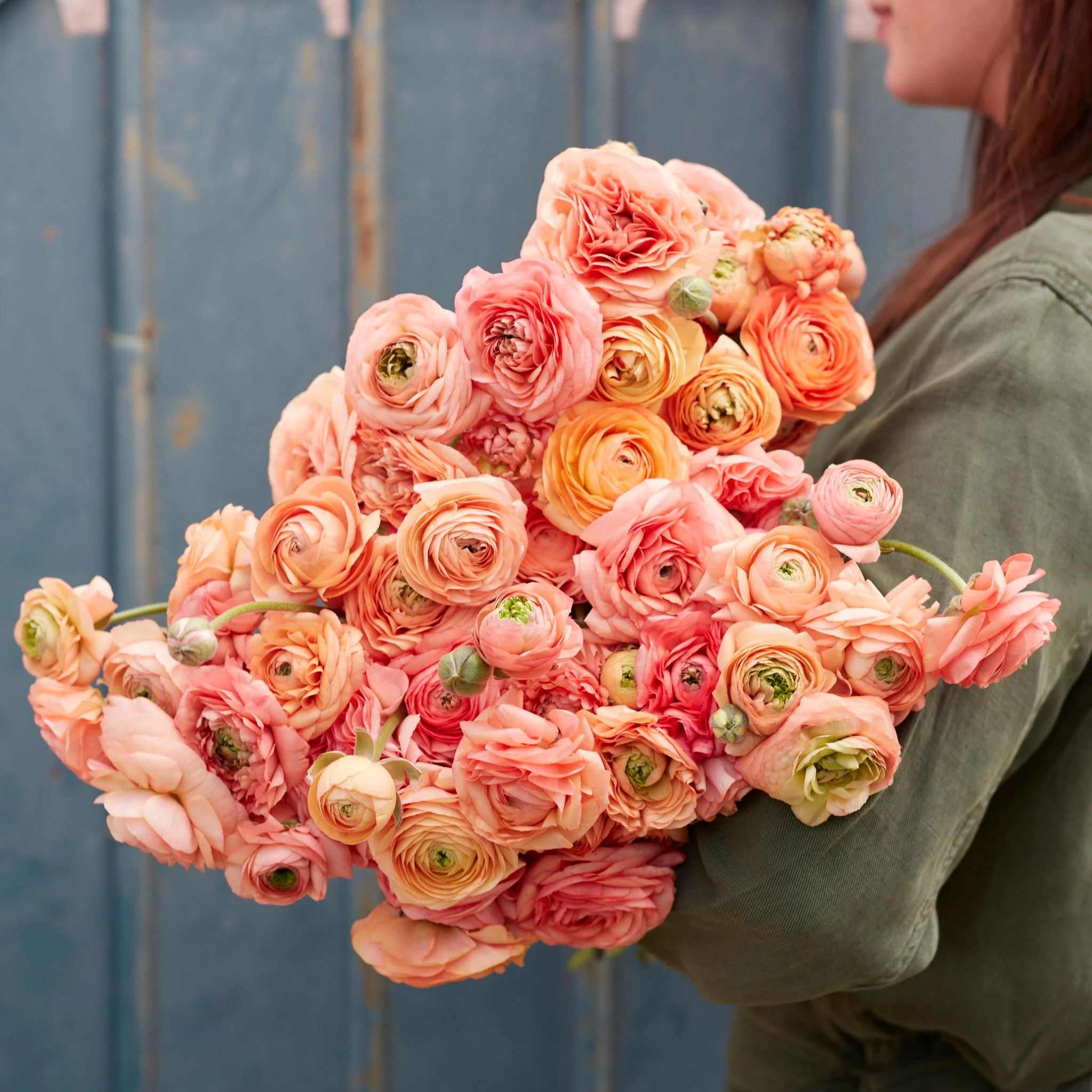
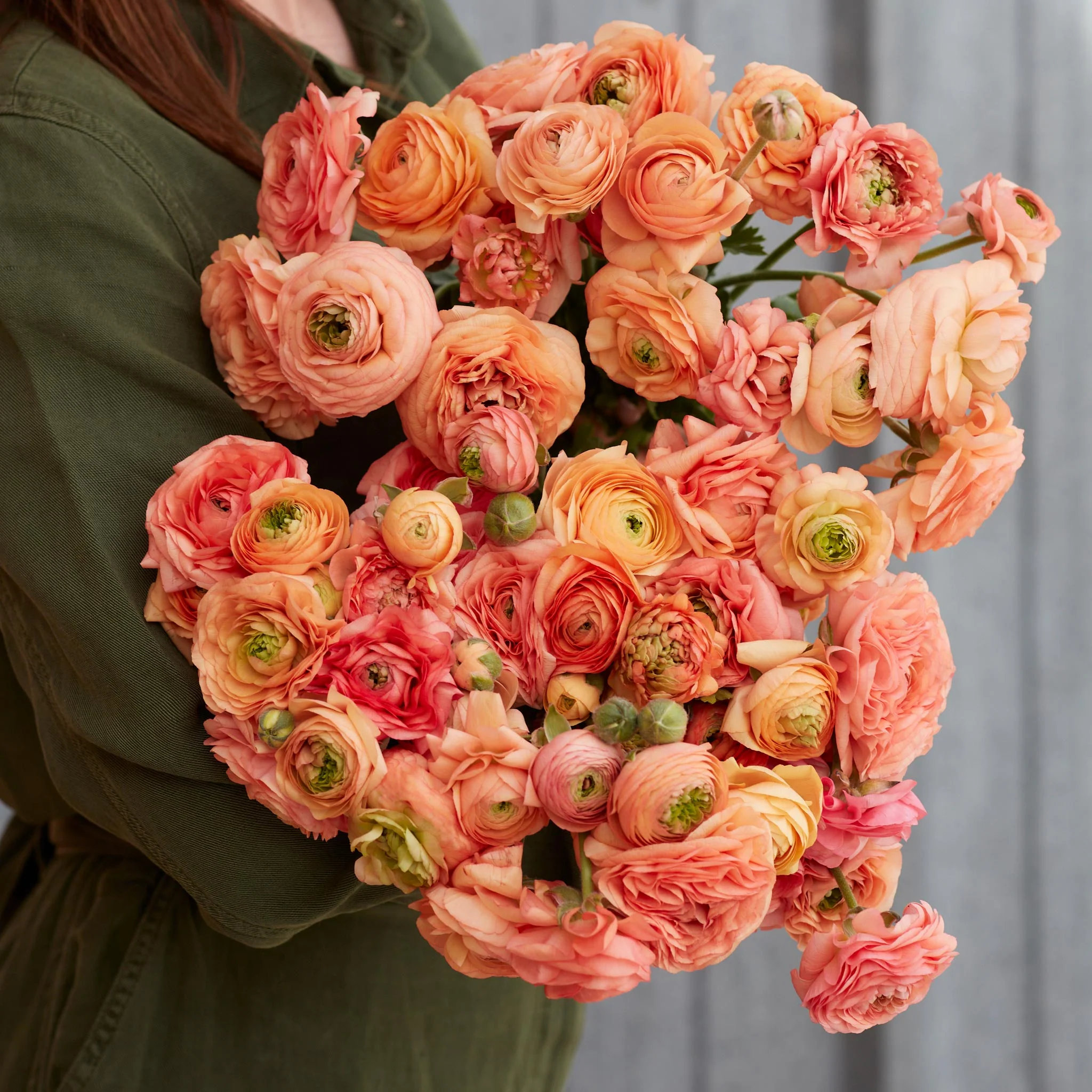
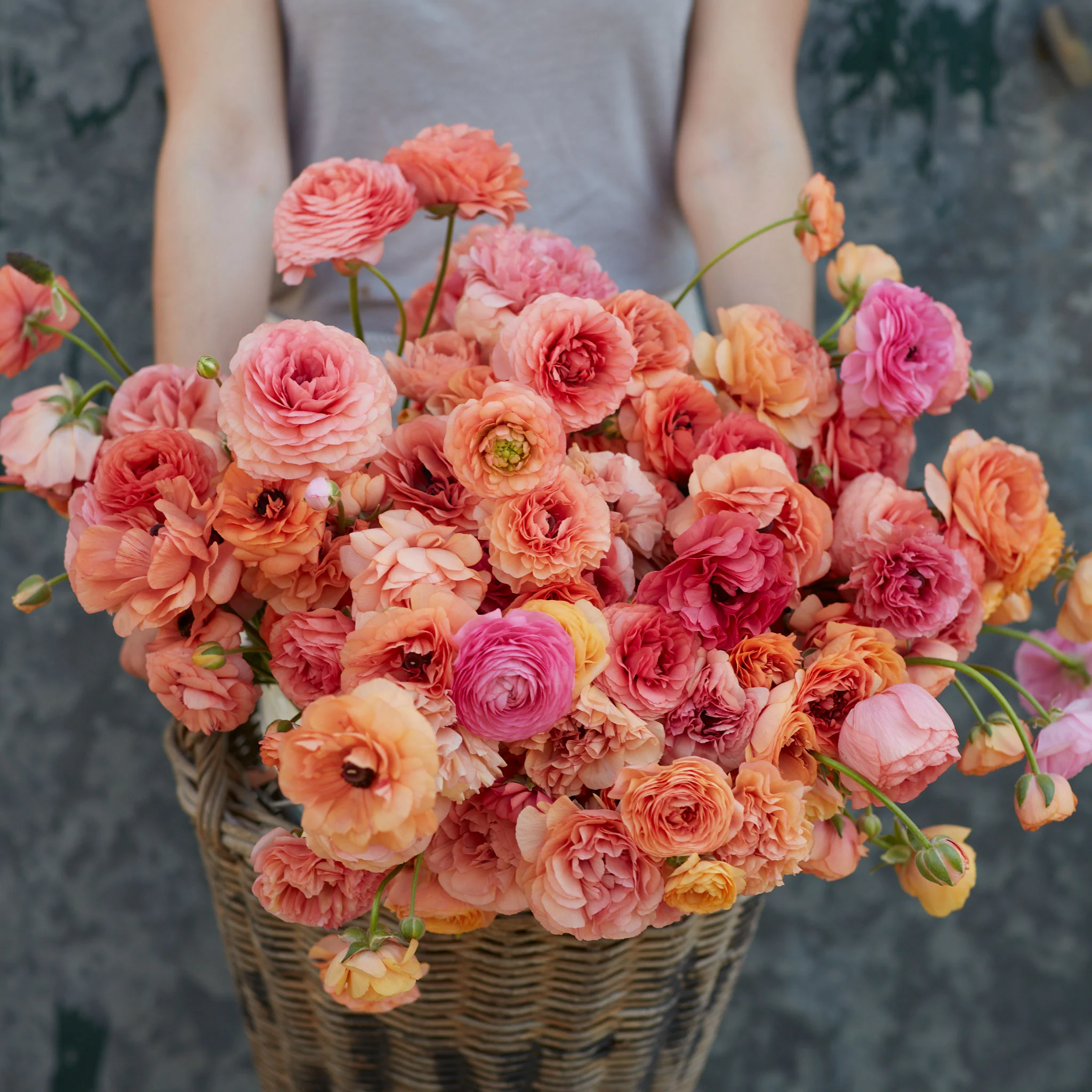
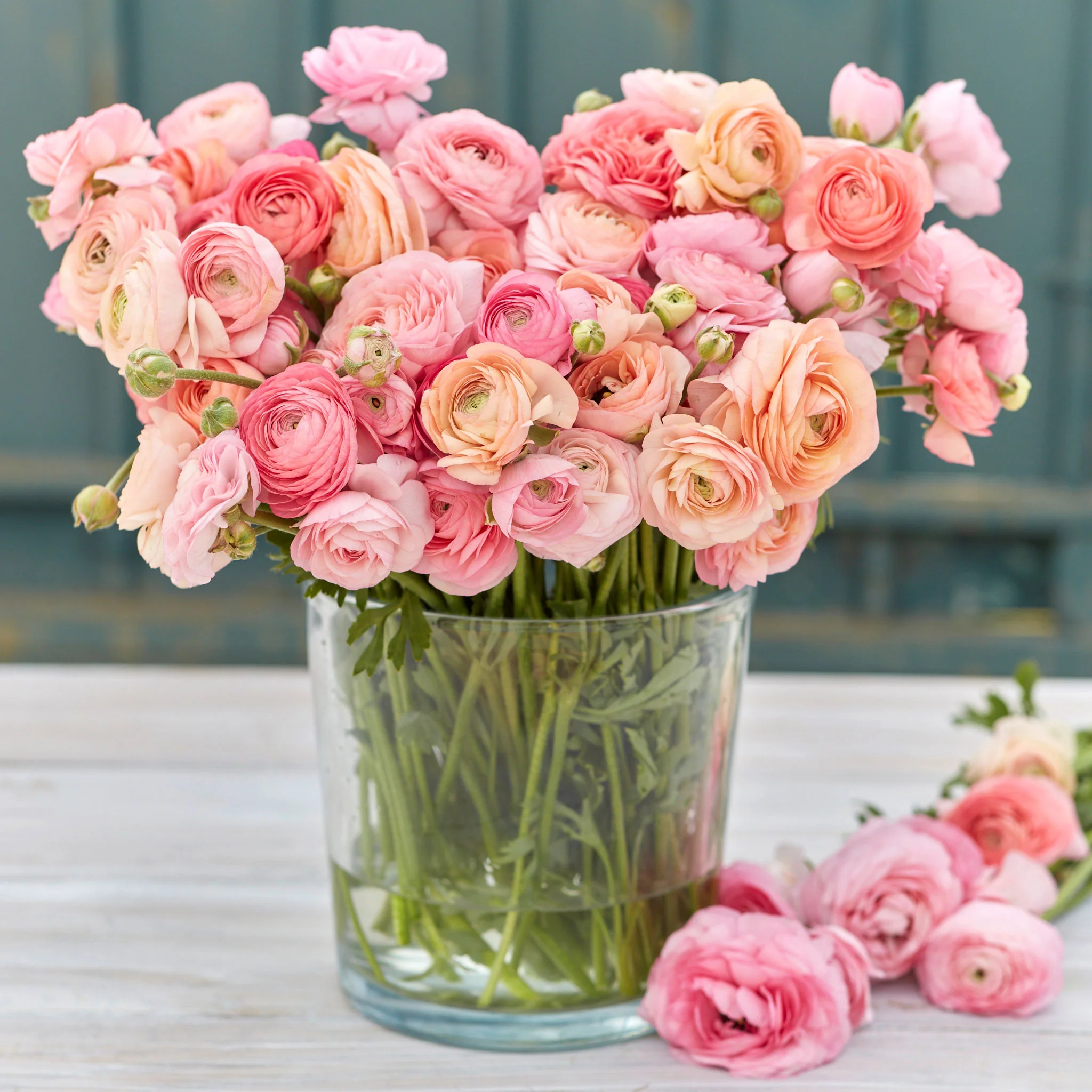
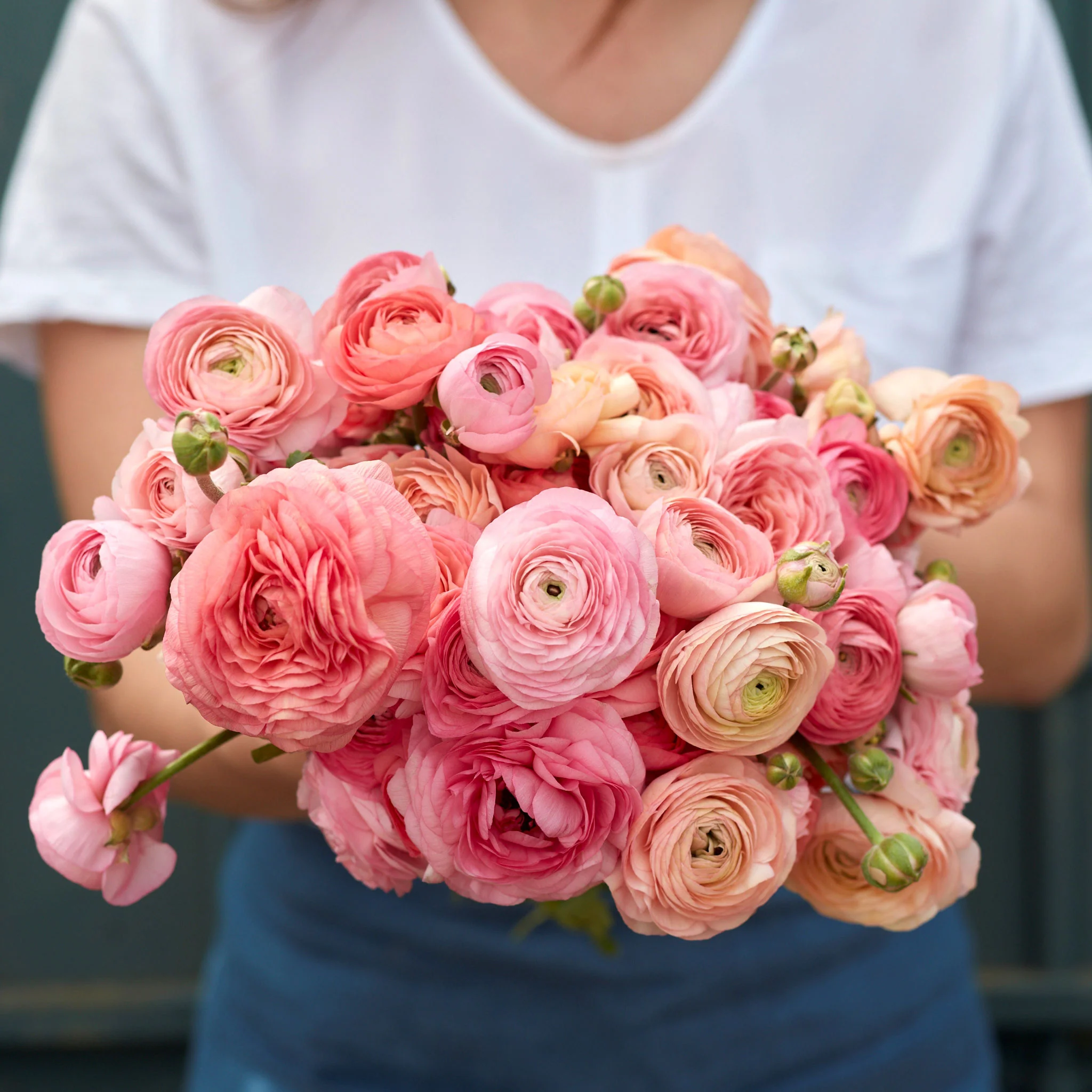
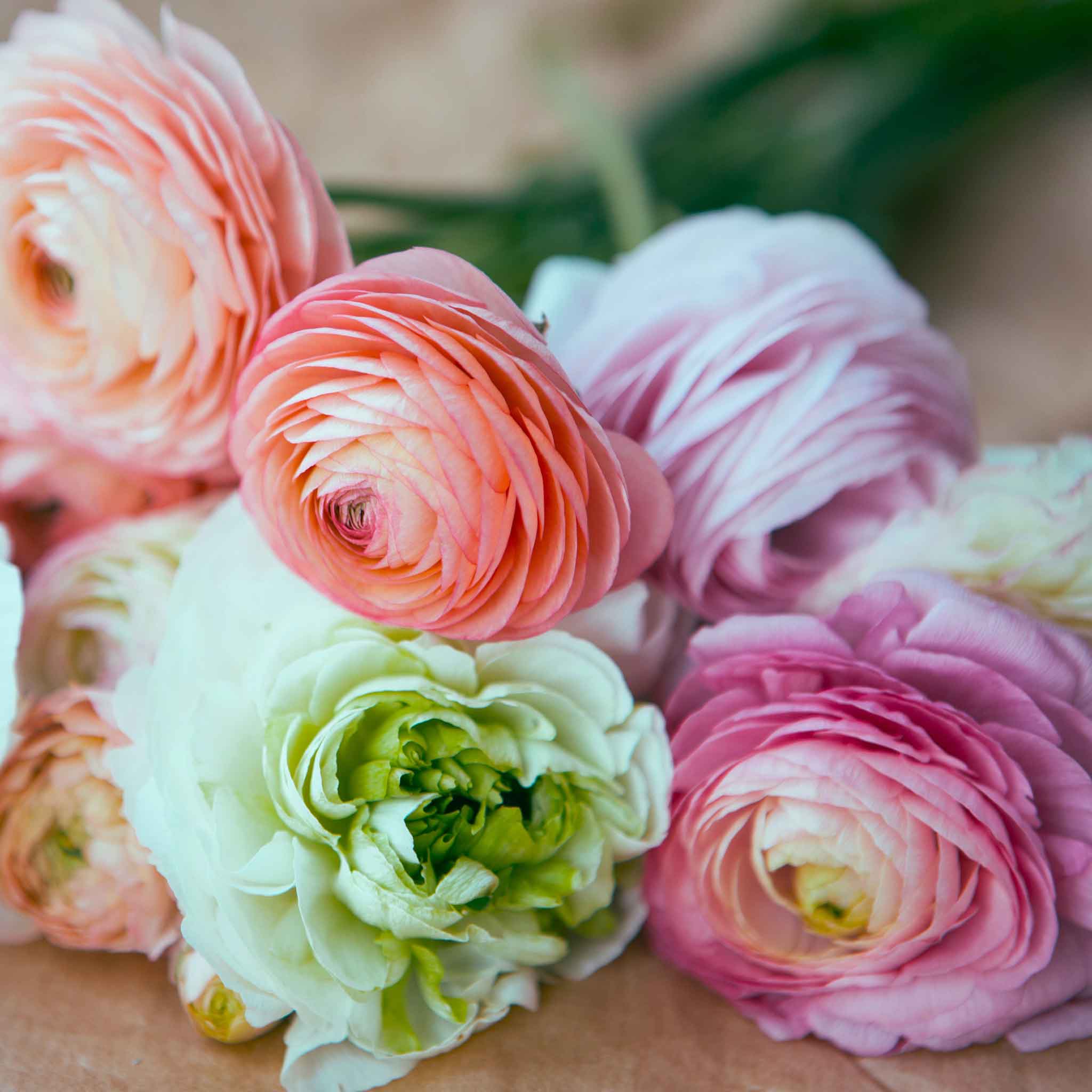
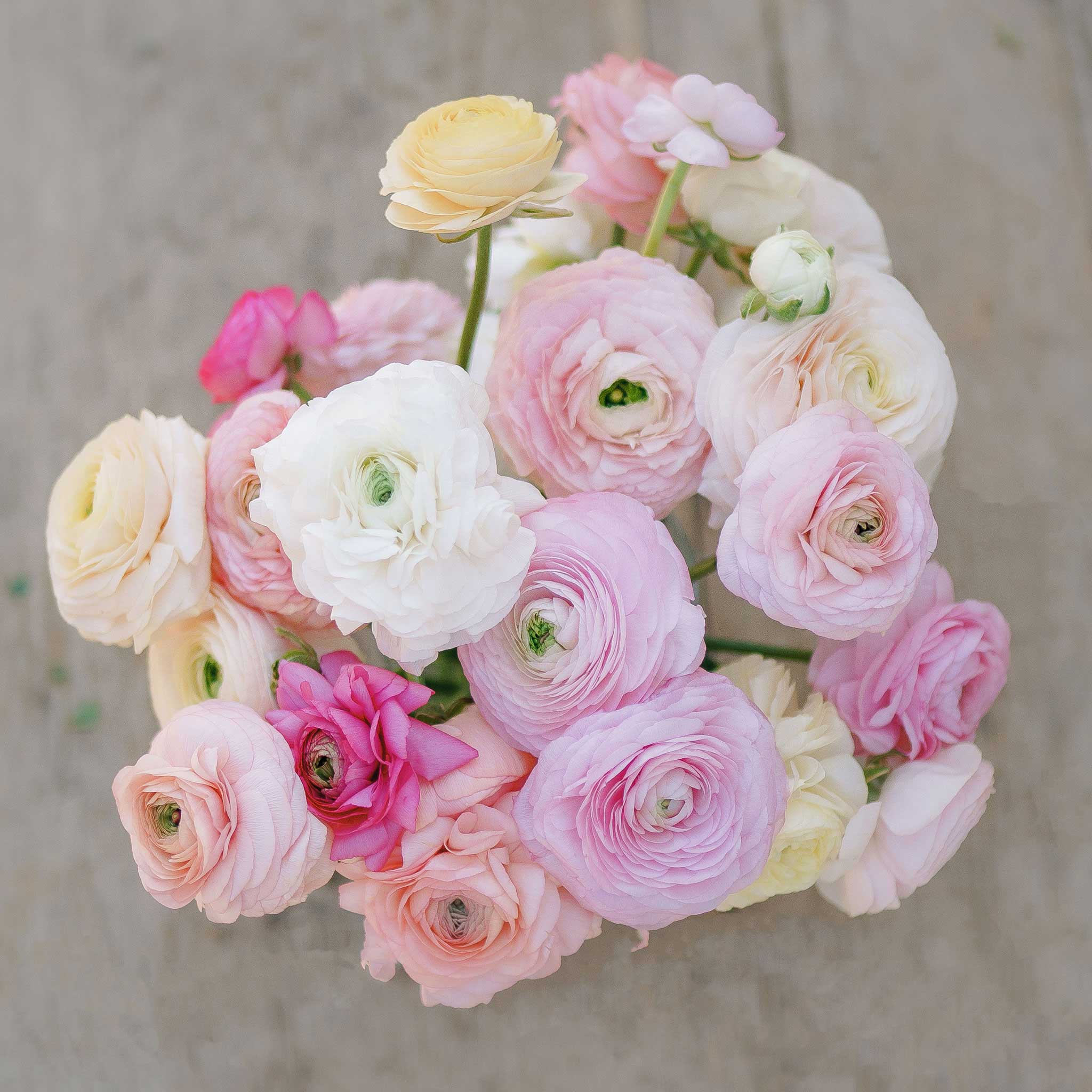
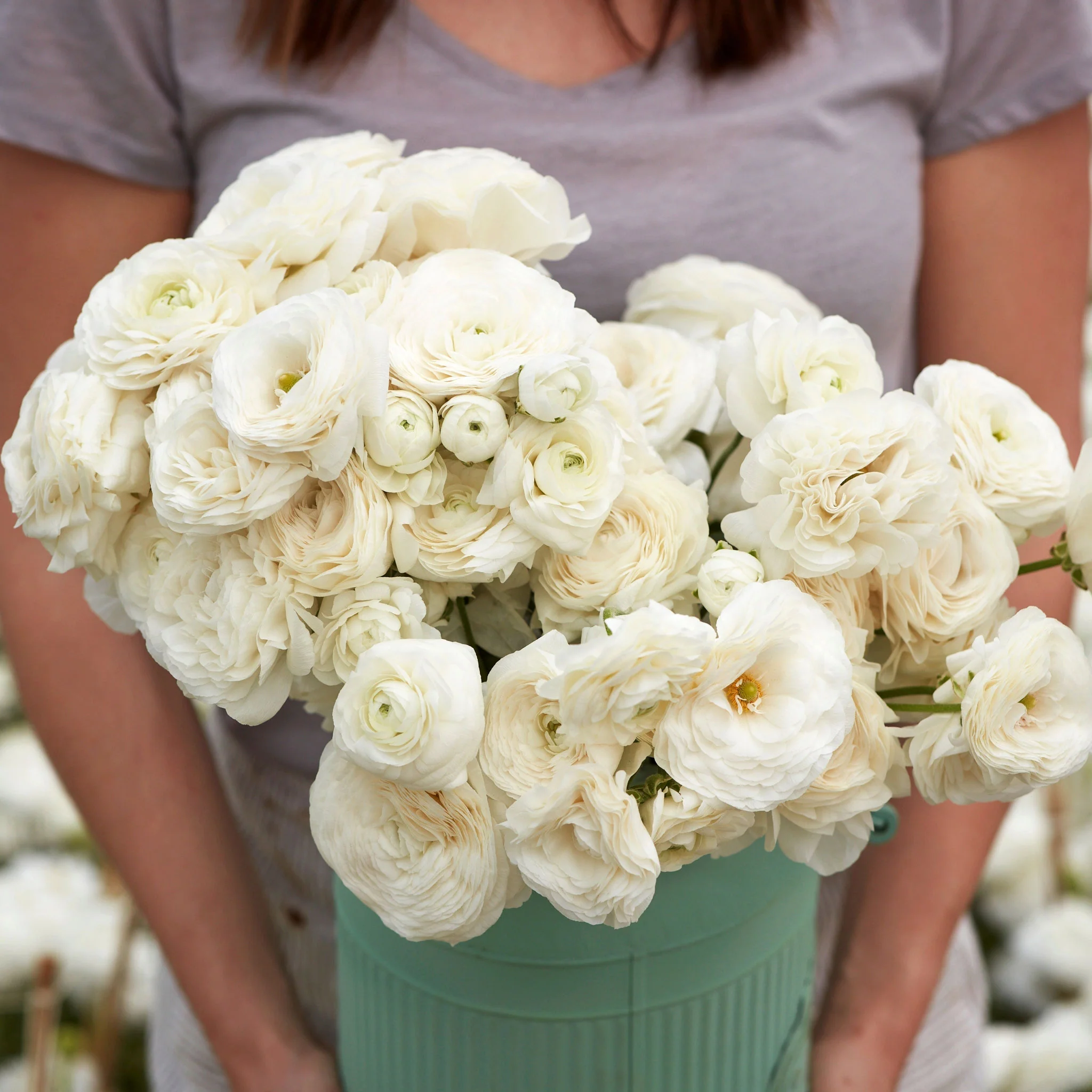
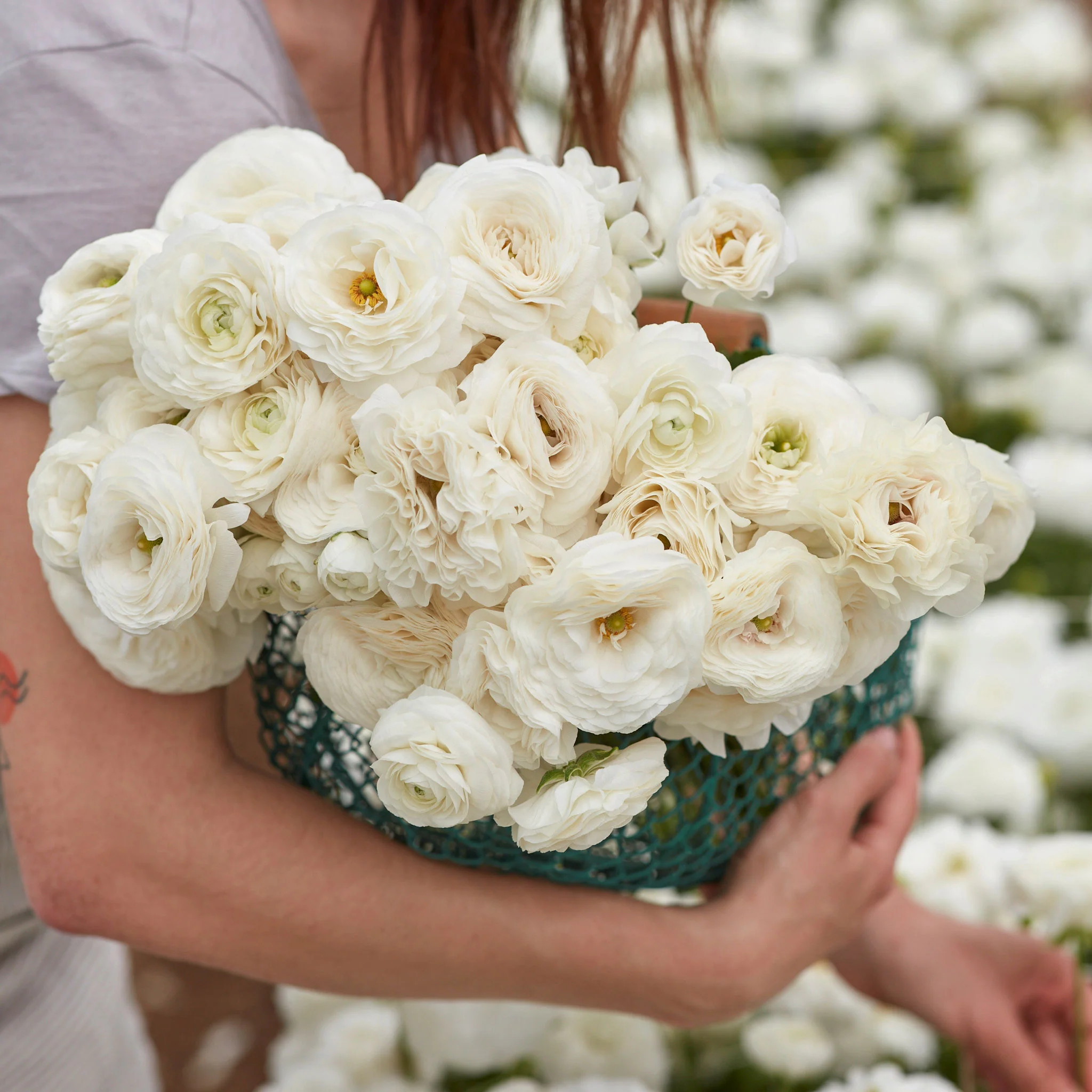
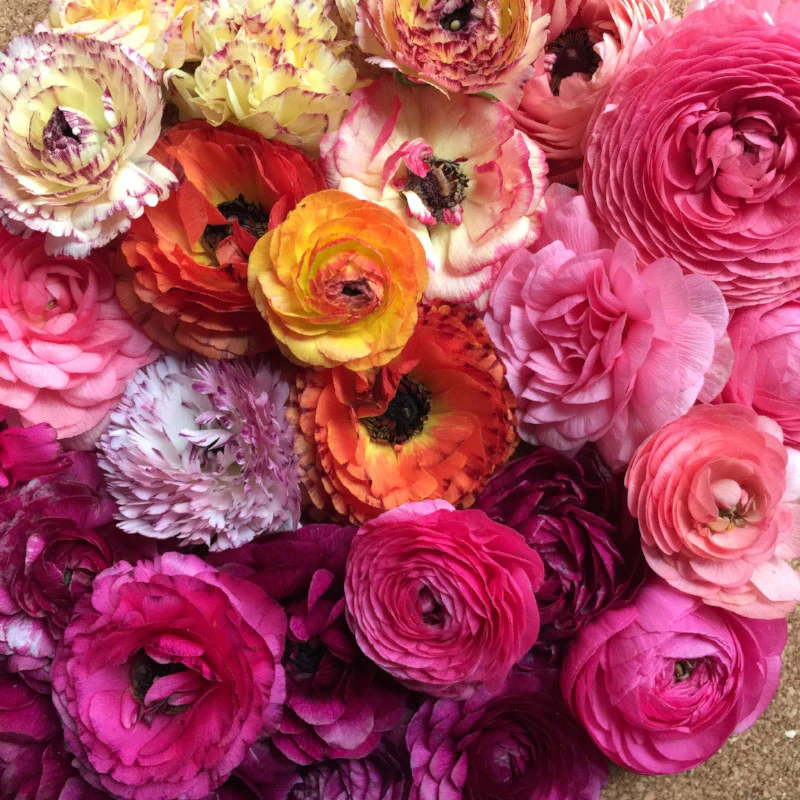
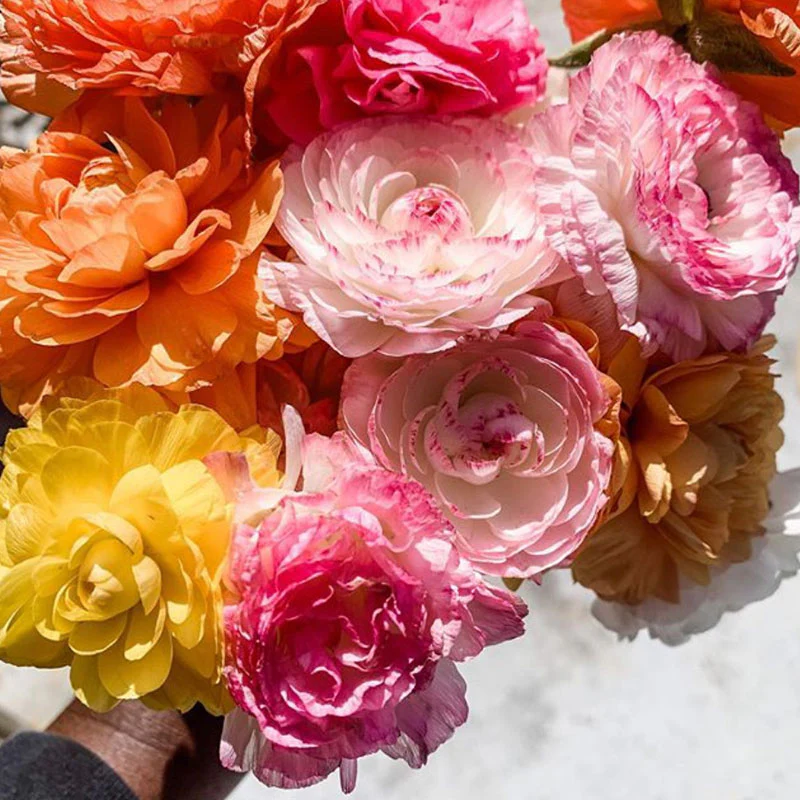
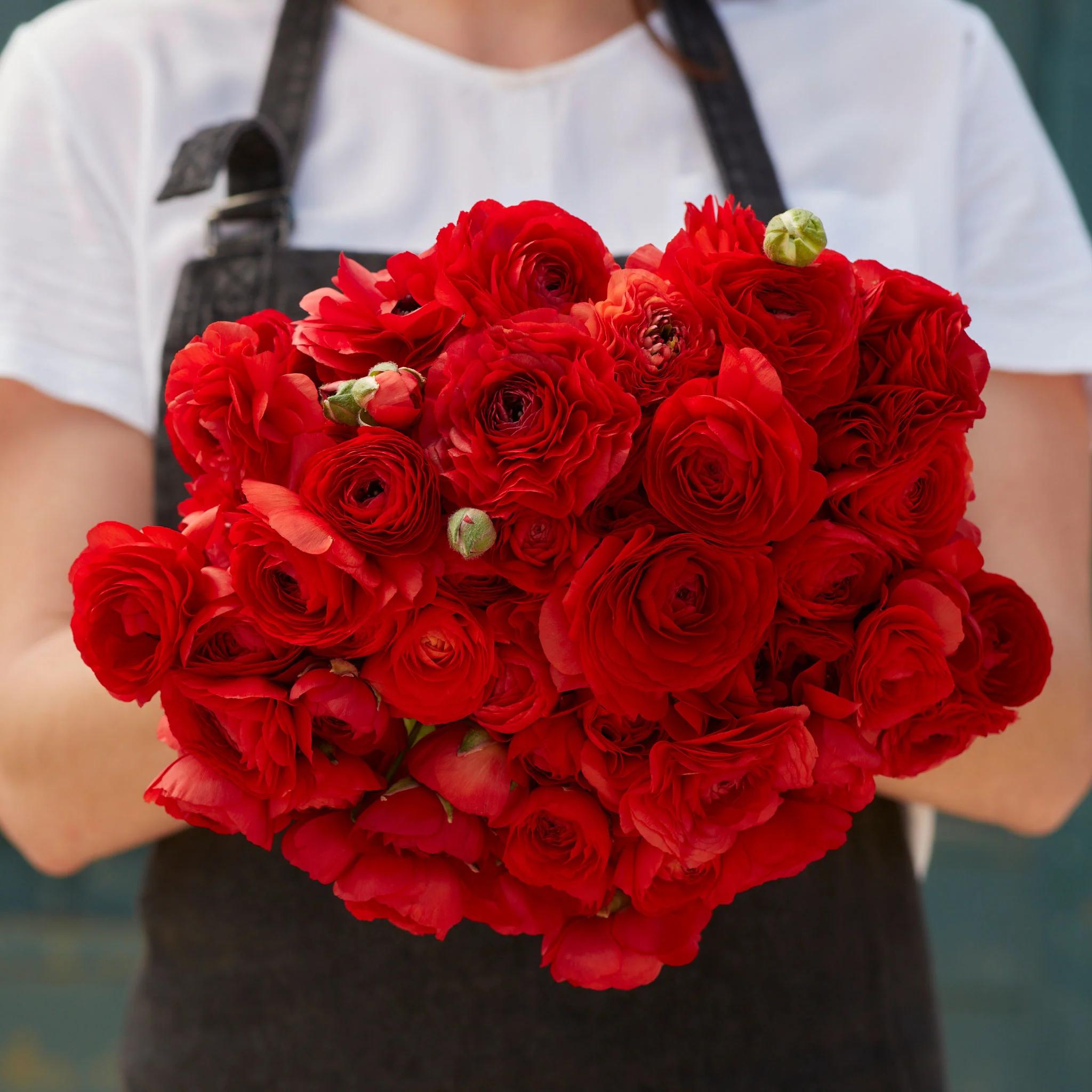
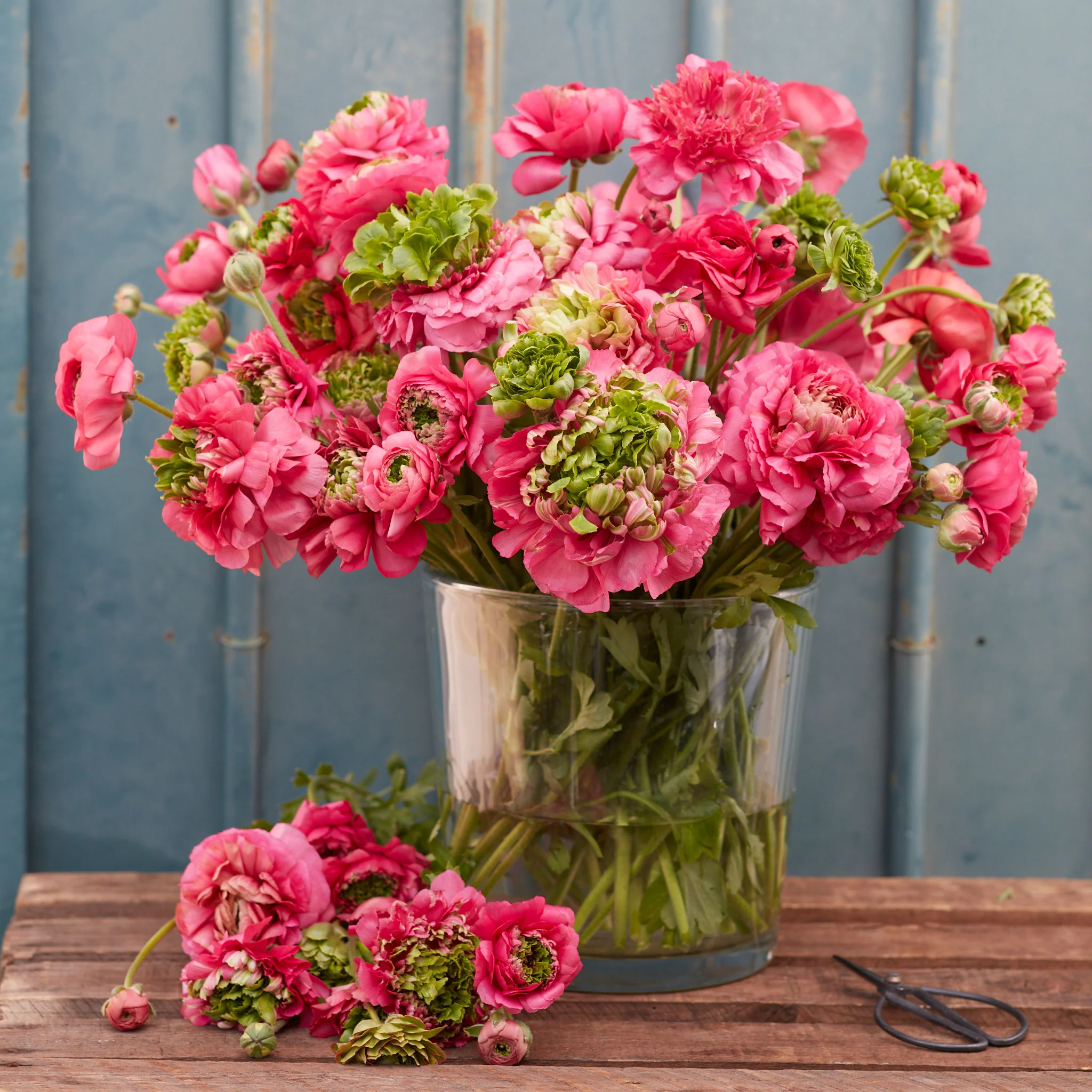
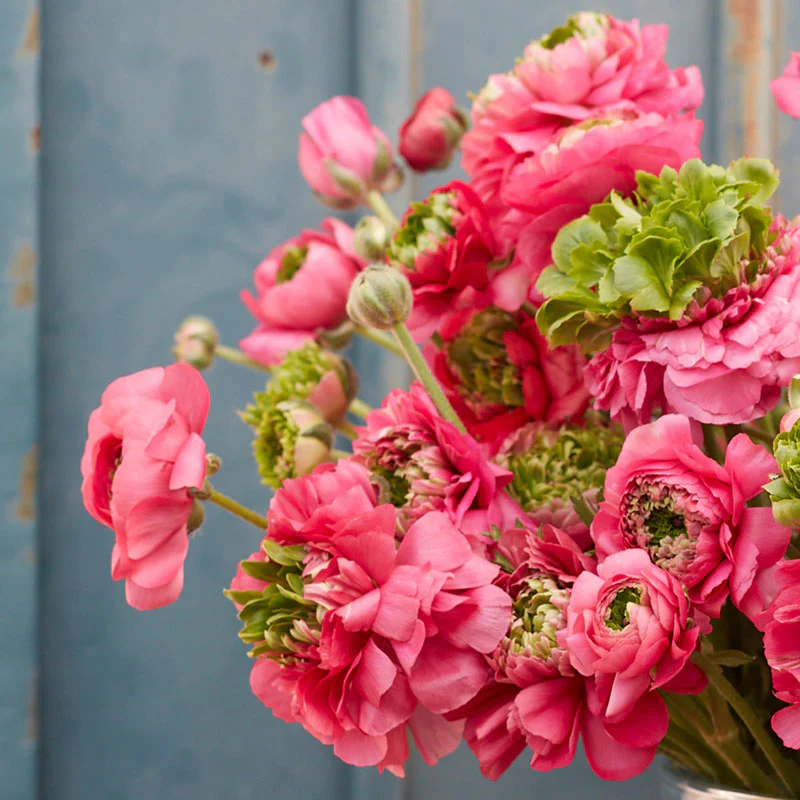
Don't worry, this Porcelaine Ranunculus will not shatter when you touch it, but it definitely has a delicate appearance. The color is unique: something between coral, rose, peach, and raspberry if that's possible! As with its other ranunculus friends, this variety has a sturdy stem and will do well as a cut flower. The scent matches its beauty.
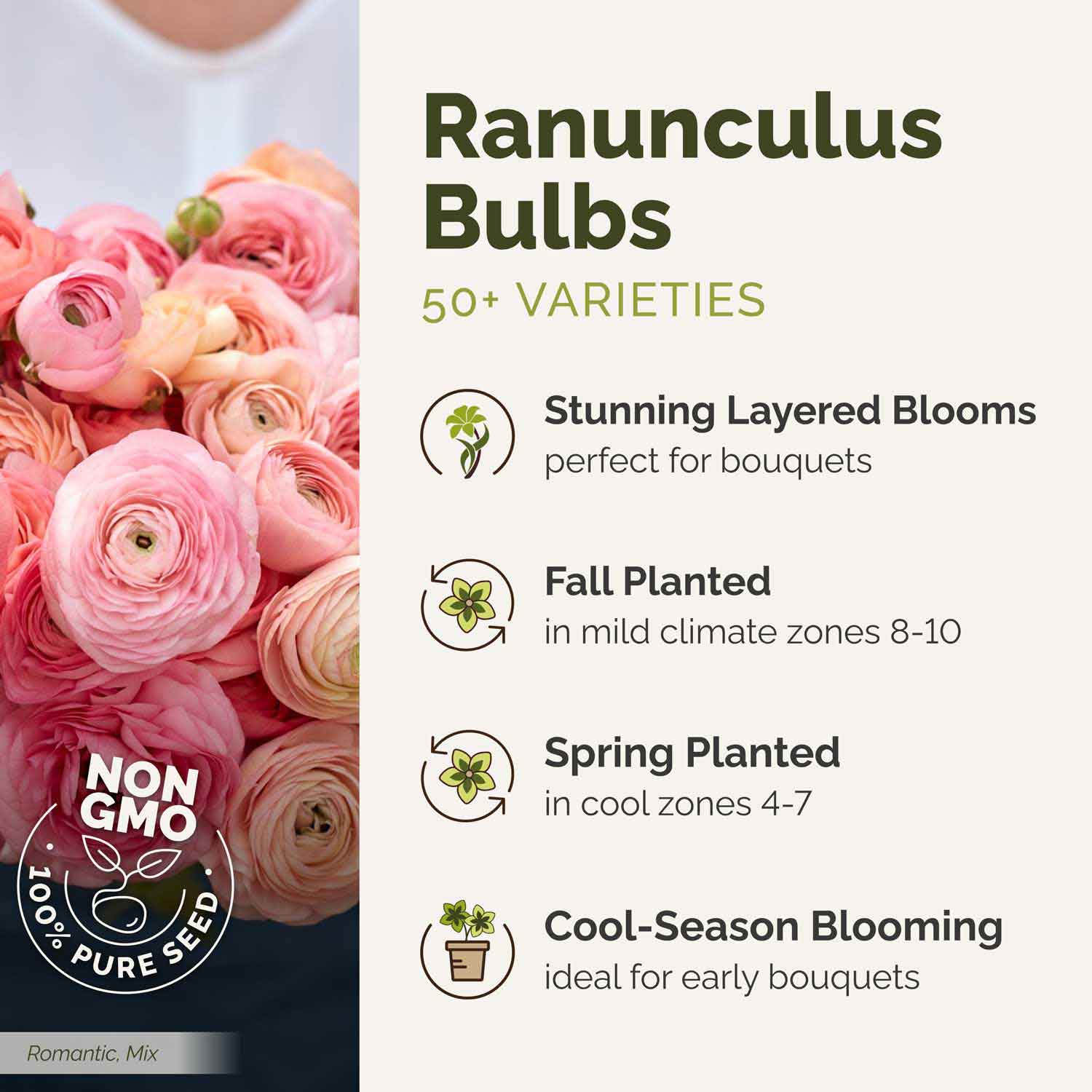
Note: In Zones 8–10, ranunculus are grown as perennials—plant in fall for spring blooms. In Zones 4–7, they are treated as cool-season annuals. Start corms indoors in late winter and transplant after nights stay above 30°F, or dry-store them and plant in spring after hard frosts.
Don't worry, this Porcelaine Ranunculus will not shatter when you touch it, but it definitely has a delicate appearance. The color is unique: something between coral, rose, peach, and raspberry if that's possible! As with its other ranunculus friends, this variety has a sturdy stem and will do well as a cut flower. The scent matches its beauty.
Note: In Zones 8–10, ranunculus are grown as perennials—plant in fall for spring blooms. In Zones 4–7, they are treated as cool-season annuals. Start corms indoors in late winter and transplant after nights stay above 30°F, or dry-store them and plant in spring after hard frosts.
Original: $57.49
-65%$57.49
$20.12Description
Don't worry, this Porcelaine Ranunculus will not shatter when you touch it, but it definitely has a delicate appearance. The color is unique: something between coral, rose, peach, and raspberry if that's possible! As with its other ranunculus friends, this variety has a sturdy stem and will do well as a cut flower. The scent matches its beauty.
Note: In Zones 8–10, ranunculus are grown as perennials—plant in fall for spring blooms. In Zones 4–7, they are treated as cool-season annuals. Start corms indoors in late winter and transplant after nights stay above 30°F, or dry-store them and plant in spring after hard frosts.