Zinnia Seeds - Zinderella Orange
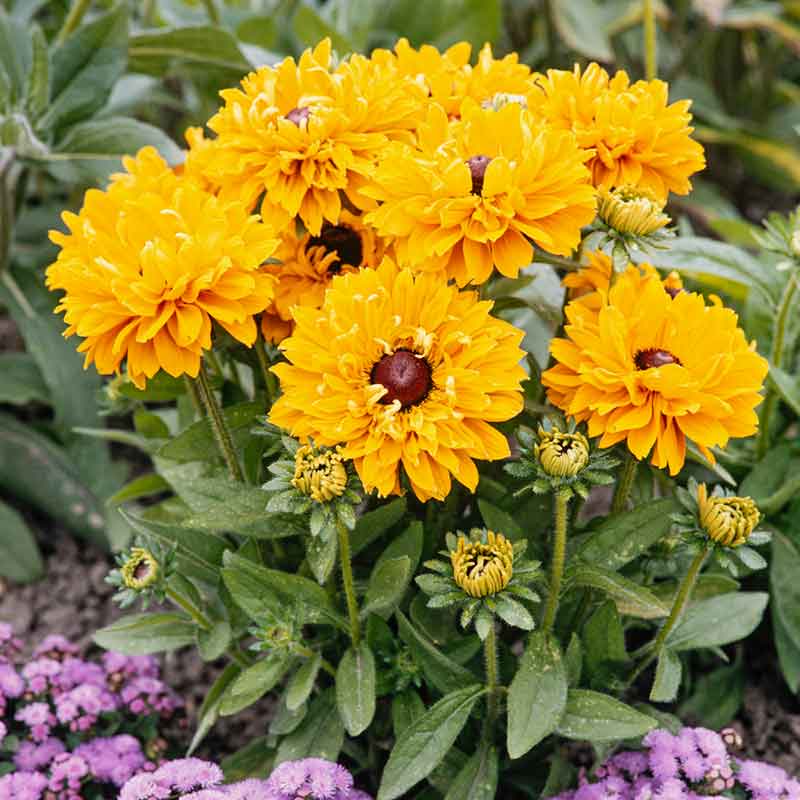
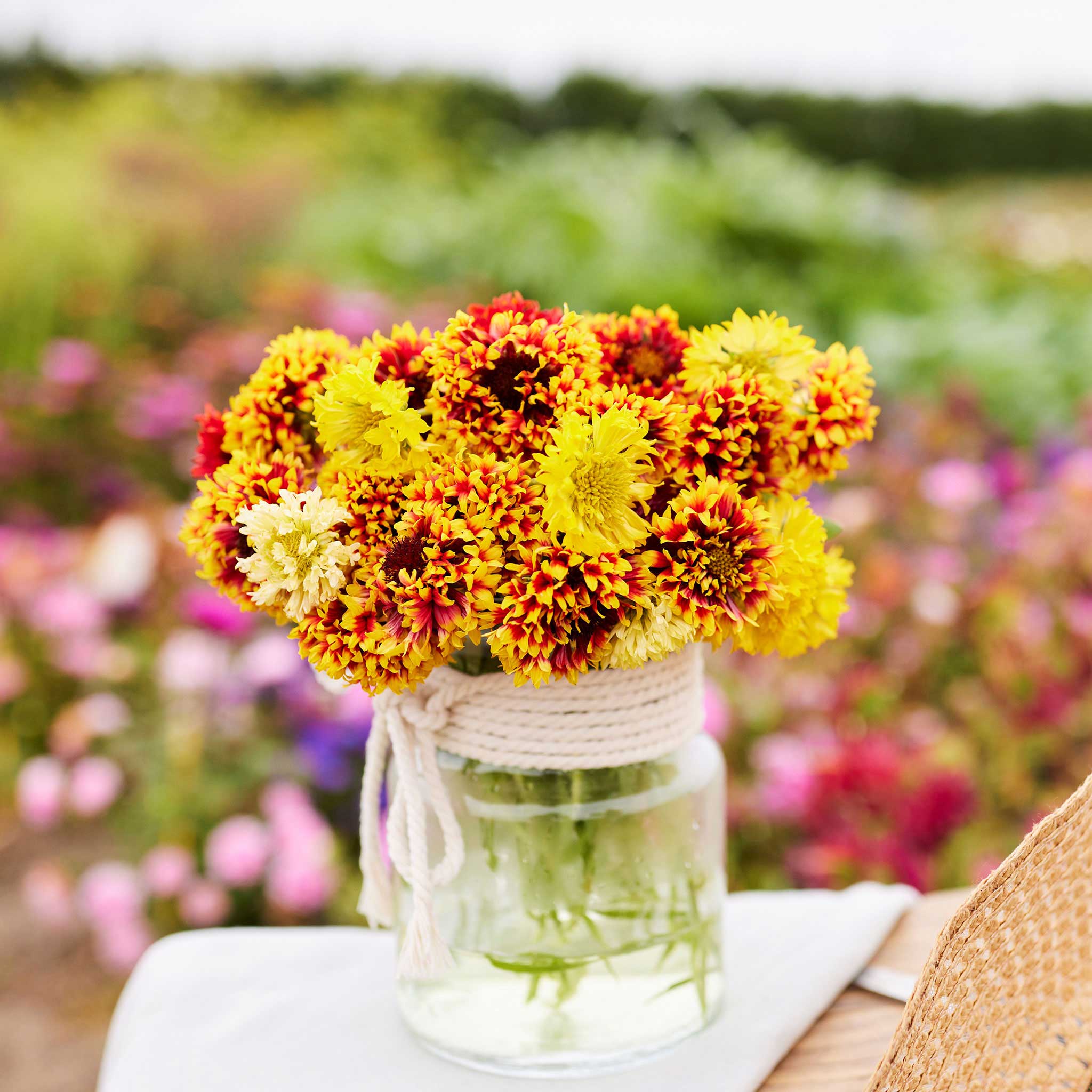
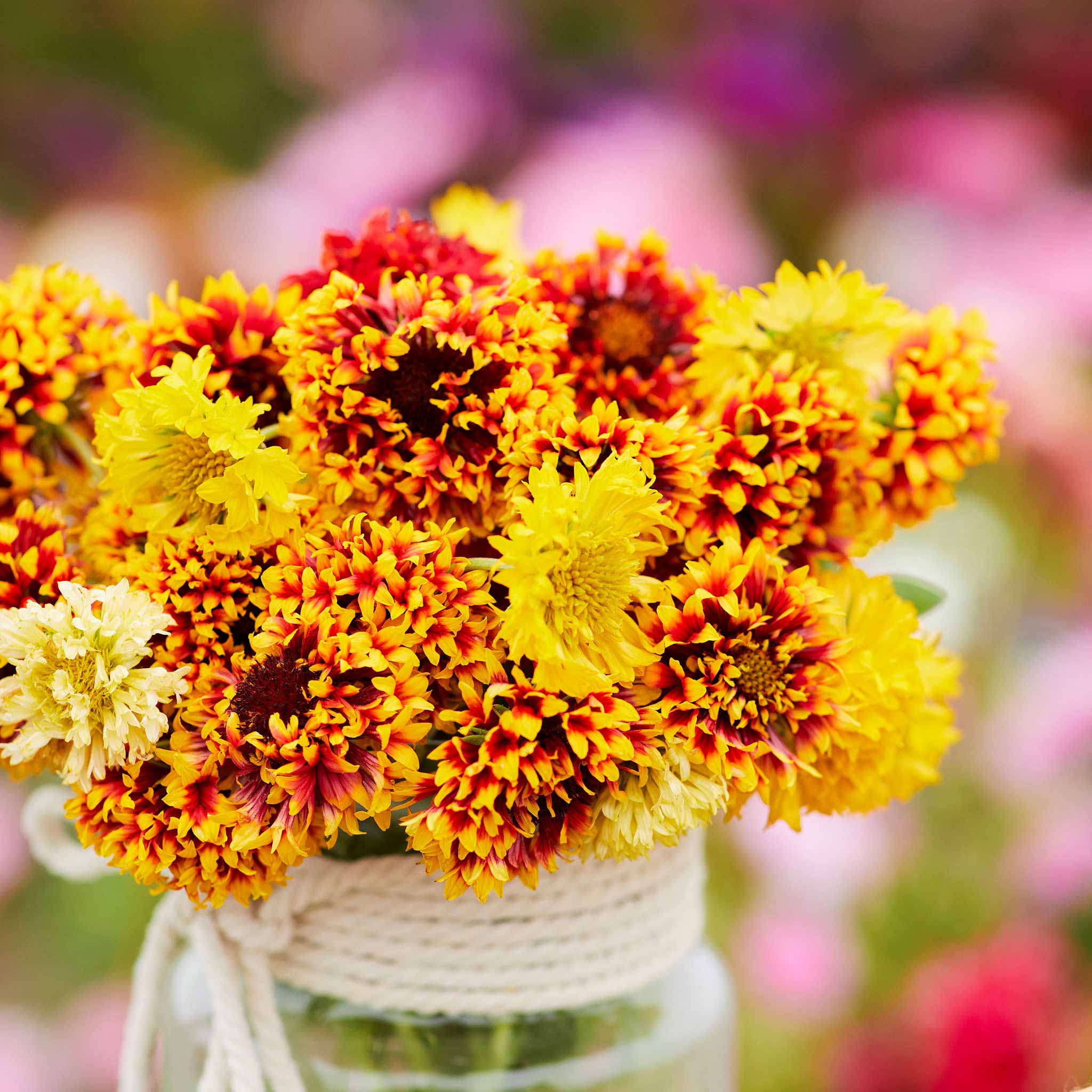
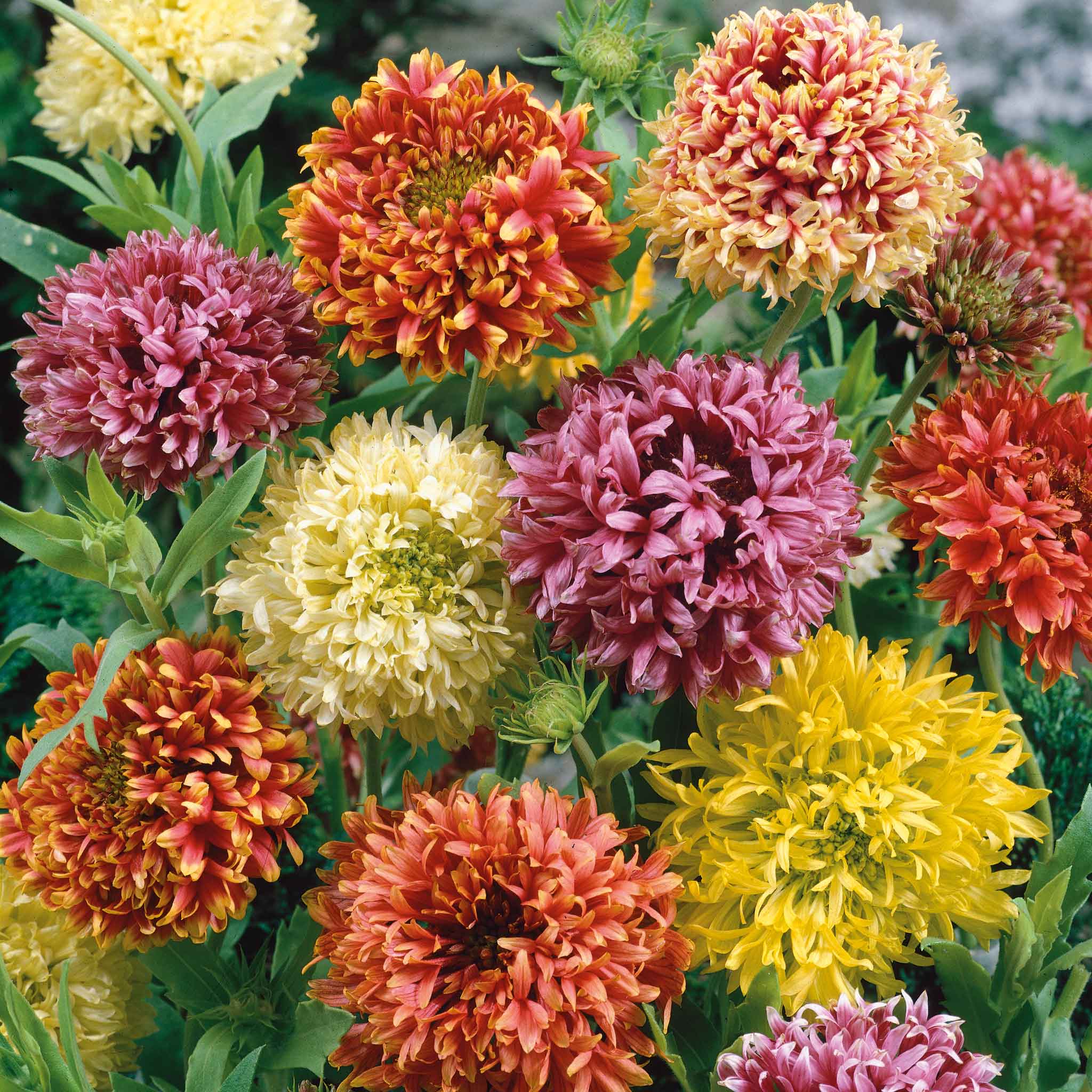
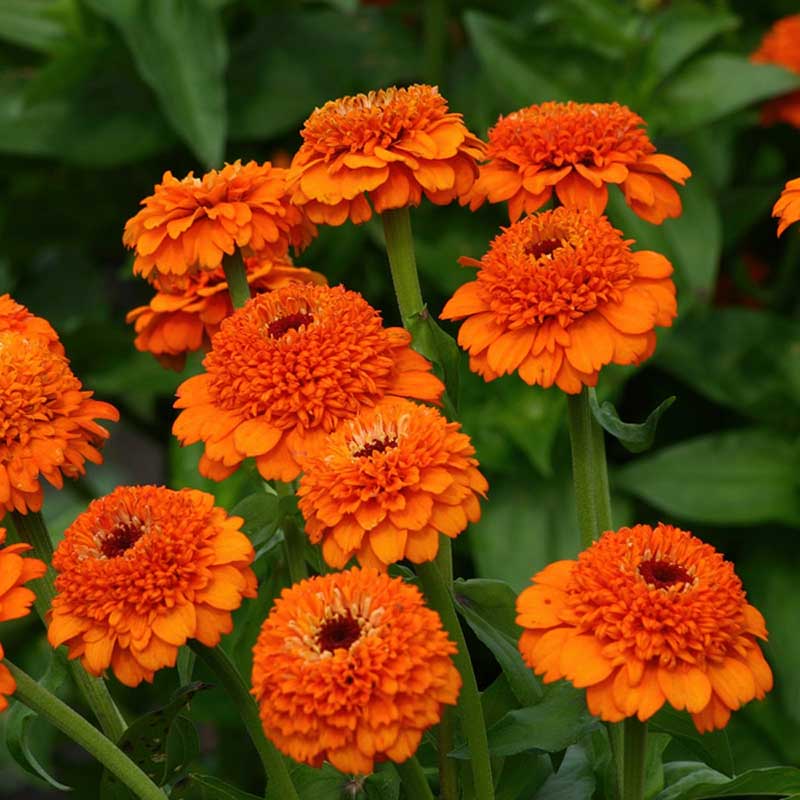
Zinderella Orange Zinnia Seeds present large, crested pompon blooms in a vibrant tangerine shade with touches of deep gold and a delicate cream "halo" encircling the central eye. With a width of two inches, these blooms feature a pompon of closely clustered short petals atop a layer of longer, daisy-like petals. Just like all zinnias, Zinderella remains enduring, whether in the garden or as a charming addition to a vase.
Though Zinderella zinnias have been bred for more consistent scabiosa-style blooms, most single to semi-double variation is normal. You’ll see the most fully double flowers early in the season under cooler conditions; as temperatures rise, blooms may shift back toward single.
Zinderella Orange Zinnia Seeds present large, crested pompon blooms in a vibrant tangerine shade with touches of deep gold and a delicate cream "halo" encircling the central eye. With a width of two inches, these blooms feature a pompon of closely clustered short petals atop a layer of longer, daisy-like petals. Just like all zinnias, Zinderella remains enduring, whether in the garden or as a charming addition to a vase.
Though Zinderella zinnias have been bred for more consistent scabiosa-style blooms, most single to semi-double variation is normal. You’ll see the most fully double flowers early in the season under cooler conditions; as temperatures rise, blooms may shift back toward single.
Original: $7.49
-65%$7.49
$2.62Description
Zinderella Orange Zinnia Seeds present large, crested pompon blooms in a vibrant tangerine shade with touches of deep gold and a delicate cream "halo" encircling the central eye. With a width of two inches, these blooms feature a pompon of closely clustered short petals atop a layer of longer, daisy-like petals. Just like all zinnias, Zinderella remains enduring, whether in the garden or as a charming addition to a vase.
Though Zinderella zinnias have been bred for more consistent scabiosa-style blooms, most single to semi-double variation is normal. You’ll see the most fully double flowers early in the season under cooler conditions; as temperatures rise, blooms may shift back toward single.