Zinnia Seeds - Zinderella Purple
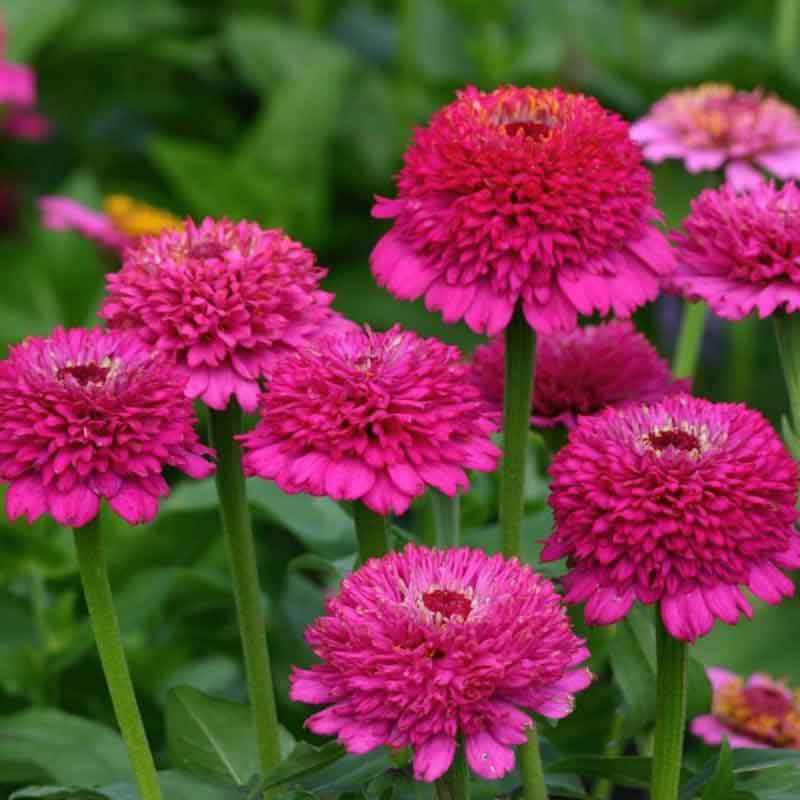
A playful form of "cupcake" zinnia, Zinderella Purple Zinnia shows off her hot magenta hue as a sugary sweet frosting in gardens and bright summer arrangements. Featuring distinctive scabiosa-style blooms, each flower is topped with a plush pompom of tightly packed petals above a flared skirt of longer, daisy-like rays. With its rich purple color and eye-catching double form, Zinderella Purple delivers texture and charm in gardens and bouquets.
Though Zinderella zinnias have been bred for more consistent scabiosa-style blooms, most single to semi-double variation is normal. You’ll see the most fully double flowers early in the season under cooler conditions; as temperatures rise, blooms may shift back toward single.
A playful form of "cupcake" zinnia, Zinderella Purple Zinnia shows off her hot magenta hue as a sugary sweet frosting in gardens and bright summer arrangements. Featuring distinctive scabiosa-style blooms, each flower is topped with a plush pompom of tightly packed petals above a flared skirt of longer, daisy-like rays. With its rich purple color and eye-catching double form, Zinderella Purple delivers texture and charm in gardens and bouquets.
Though Zinderella zinnias have been bred for more consistent scabiosa-style blooms, most single to semi-double variation is normal. You’ll see the most fully double flowers early in the season under cooler conditions; as temperatures rise, blooms may shift back toward single.
Original: $6.99
-65%$6.99
$2.45Description
A playful form of "cupcake" zinnia, Zinderella Purple Zinnia shows off her hot magenta hue as a sugary sweet frosting in gardens and bright summer arrangements. Featuring distinctive scabiosa-style blooms, each flower is topped with a plush pompom of tightly packed petals above a flared skirt of longer, daisy-like rays. With its rich purple color and eye-catching double form, Zinderella Purple delivers texture and charm in gardens and bouquets.
Though Zinderella zinnias have been bred for more consistent scabiosa-style blooms, most single to semi-double variation is normal. You’ll see the most fully double flowers early in the season under cooler conditions; as temperatures rise, blooms may shift back toward single.